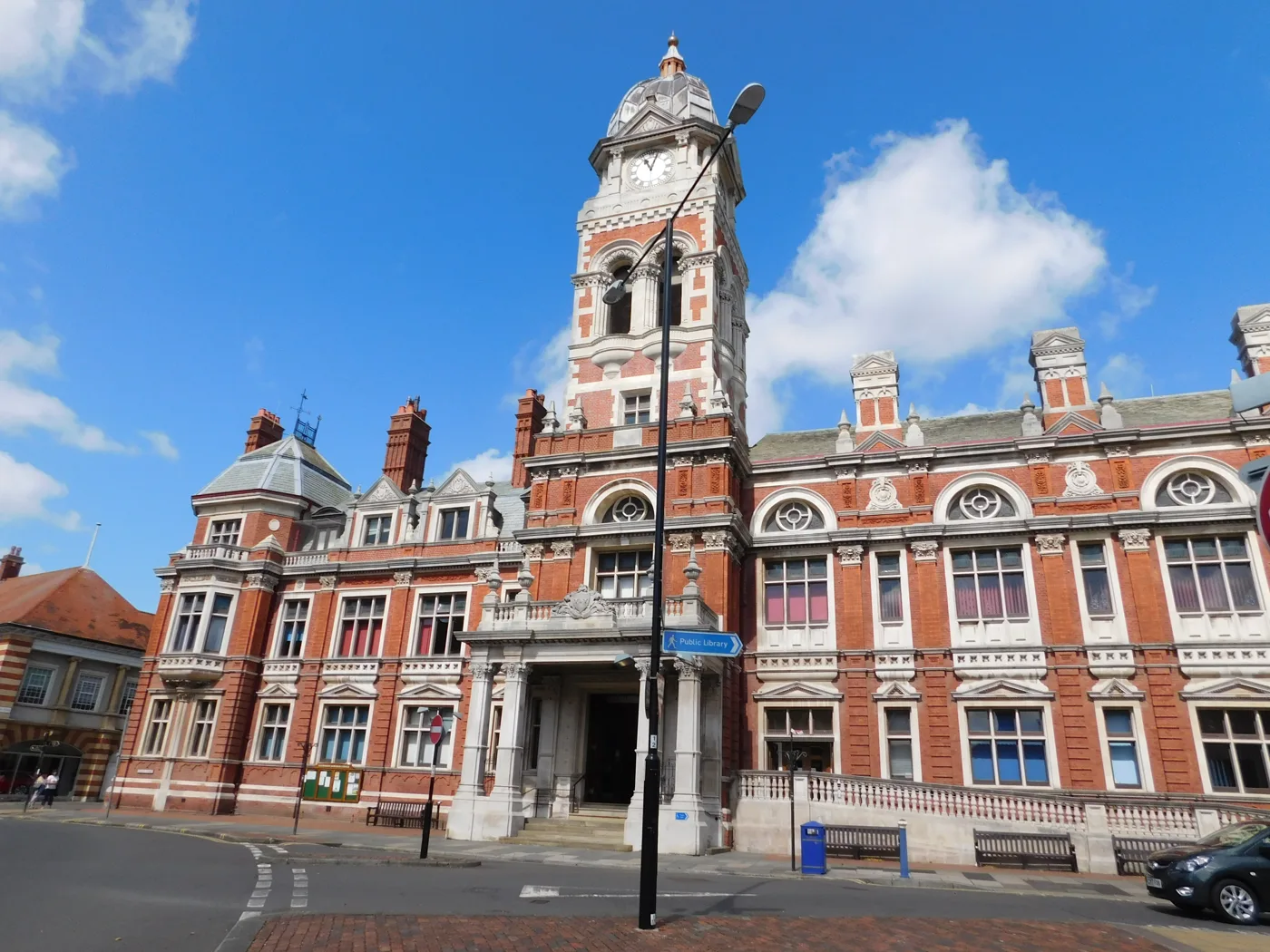

The April 2028 merger of Eastbourne into a new East Sussex Council is on hold while ministers review it. May 2027 elections now run on existing boundaries.
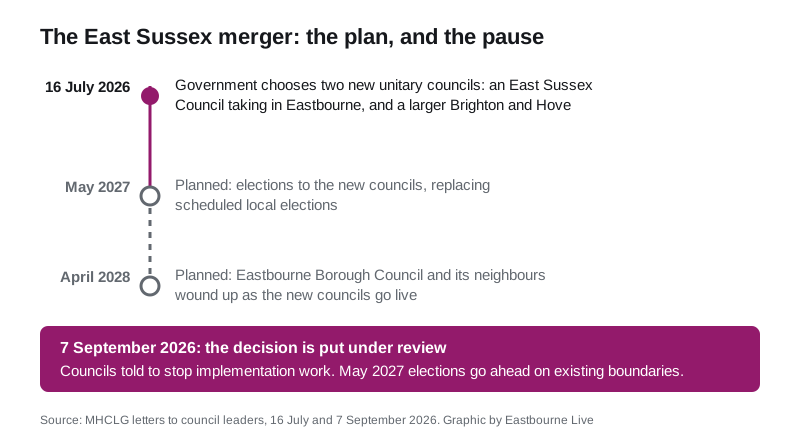
The plan to abolish Eastbourne Borough Council in April 2028 has been put on hold. The government announced on 7 September that the whole local government reorganisation programme is under review, and told councils to stop work on implementing it.
The pause covers the decision, made only in July, to merge Eastbourne into a new East Sussex Council. Local government minister Jim McMahon set it out in a letter to council leaders, which says the review “will include reviewing the 14 decisions made in July”. East Sussex is one of those 14 areas.
The letter also settles what happens at the ballot box. It says “elections scheduled to take place in May 2027 will go ahead to existing council boundaries”. Under the July decision, those polls would have been to the new unitary council instead.
What was decided in July
The decision letter of 16 July, signed by the then housing secretary Steve Reed, chose two new unitary councils for the county area, to be “implemented by April 2028”:
- East Sussex Council, taking in the current areas of Eastbourne, Hastings, Rother and Wealden councils, plus Lewes district minus four wards
- an expanded Brighton and Hove, which gains those four Lewes wards
The two-unitary proposal was submitted by East Sussex County Council together with Eastbourne, Hastings, Lewes and Rother councils. Reed modified it so that Falmer parish, with a population of around 300, stayed in East Sussex rather than joining Brighton and Hove, “given its rural identity”.
The same letter said elections to the new councils in May 2027 would “replace any scheduled local elections”, with affected councillors’ terms extended. The government had committed £63 million nationally to support the process, including £900,000 in transition funding for each new unitary and, with supplementary pots, “more than £1 million per new unitary”.
Why it stopped
The September letter says the withdrawal of four other areas’ decisions follows “updated legal advice”, and that “now is the time to pause and reflect” on the wider programme. Those four areas, Essex, Hampshire, Norfolk and Suffolk, had their March decisions withdrawn outright.
East Sussex’s decision is not withdrawn. It is inside the review, and councils in the July group were asked to cease implementation work because that “reduces the risk of nugatory work”. The letter gives no date for the review to report, saying only that next steps will be “communicated early and clearly”.
What it means for you
- Nothing changes at the counter. Eastbourne Borough Council still runs bin collections, planning, housing and council tax billing, and East Sussex County Council still runs roads, schools and social care.
- May 2027 elections go ahead on today’s boundaries, not to a new unitary council. Sitting councillors no longer get the term extension the July decision would have brought.
- The April 2028 abolition date is no longer a commitment. It survives only if the review lets the July decision stand.
The review’s outcome has no published date. We will report it from the government’s own letters when it comes.
Have your say